The Logo on the Wall: Auditing 'As Seen In' Claims Before They Cost You Credibility
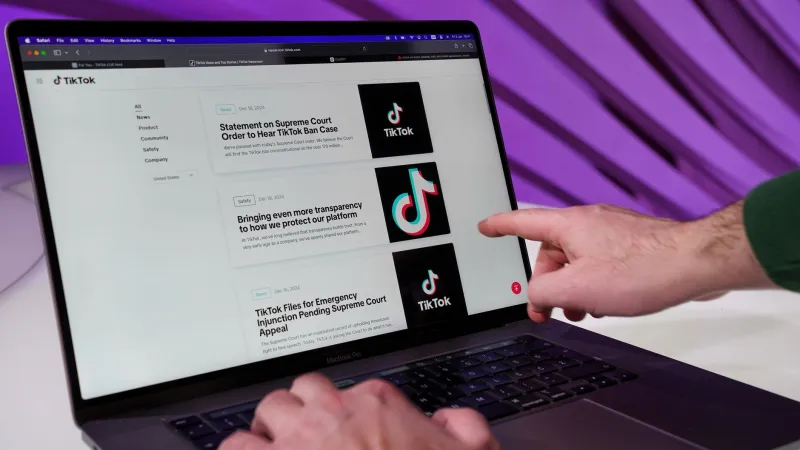
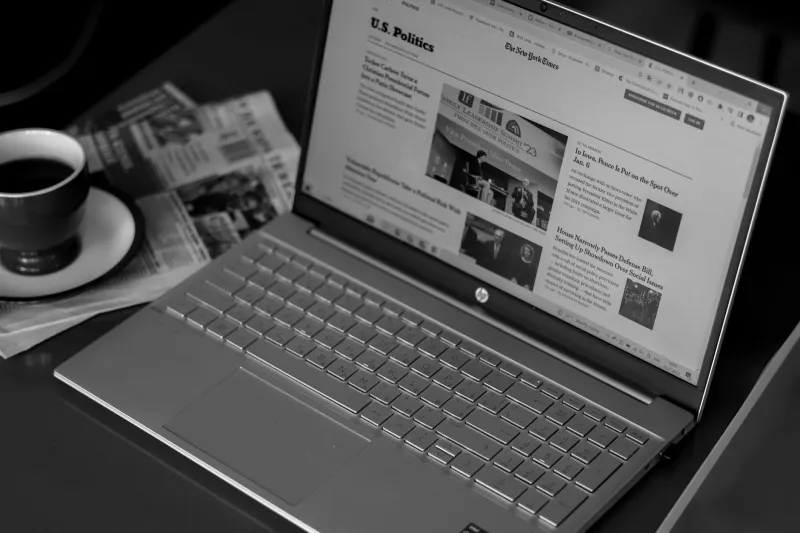
An 'as seen in' strip looks harmless. A row of familiar mastheads sits beneath a homepage hero, or on a pitch deck, or beside a product claim, and the implicit message is simple: other people have judged this brand newsworthy. For many US founders, that row is the fastest way to borrow authority. For marketers, it is also one of the easiest places for social proof to slide into implied endorsement. The difference matters in 2026, when AI-generated 'coverage' is cheap, syndication is endless, and a logo can be both technically true and materially misleading.
At Press Partnerz, the working assumption is that media coverage should be treated as evidence, not decoration. A placement is a fact with a date, a URL, a context, and a lifespan. Once that fact is compressed into a logo, it loses nuance. The audit below is designed to restore it.
Why the Logo Wall Deserves a Second Look
The legal concern is not that a brand was mentioned. The concern is what the surrounding presentation implies. A logo placed under 'As featured in' may be a fair description of earned coverage. The same logo placed next to 'Official Media Partner' or mixed into a row of technology vendors can suggest a relationship that does not exist. US advertising law has long treated implied claims as seriously as express ones. The FTC Endorsement Guides and state consumer-protection statutes give regulators room to ask whether a reasonable buyer would misunderstand the connection.
The reputational concern is just as practical. Journalists move between outlets. Articles get archived, paywalled, corrected, or removed. A placement that was real in 2023 may be a dead link in 2026. If a prospect clicks the logo and lands on a 404 page, the badge stops being social proof and becomes a credibility problem. The audit is therefore part verification exercise and part messaging discipline.
The Three-Question Placement Test
Before a logo goes on a homepage, a sales deck, or packaging, run it through three questions.
First, does the placement still exist at a stable URL? Not a syndicated copy on a content farm, and not a press-release distribution page. The original editorial page should be live, dated, and attributable to the publication that the logo represents.
Second, is the brand named in an editorial context? A directory listing, a paid 'best of' page, or a sponsored post may have value, but it should not be presented as news coverage. The caption should match the category: mention, feature, interview, contributed article, or paid placement.
Third, does the page or packaging imply endorsement, partnership, or review? If the answer is yes, and no such relationship exists, the logo needs a caption change or removal. The test is not whether the brand's lawyers can defend the word 'featured.' The test is whether a busy buyer would take away a false impression.
Verification: What to Check and What to Archive
A useful audit starts with a simple spreadsheet. For each logo, record the publication name, the headline, the publication date, the writer, the live URL, and the placement type. Then add a status column: live, removed, paywalled, syndicated only, or unverifiable. Assign an owner and a review date. A quarterly review is enough for most small and mid-sized brands; regulated categories may need more frequent checks.
Archive more than a screenshot. A screenshot is easy to fake and easy to dispute. Save a timestamped PDF of the page, a link to a web archive capture, and a short note describing how the placement happened. If the coverage came from a direct pitch, keep the pitch and the reporter's response. If it came from a newswire, keep the distribution receipt. If it came from a paid placement, keep the insertion order. The media kit should tell the truth about all four.
AI-generated coverage raises the bar. In 2026, it is easy to spin up a plausible-looking news site with generic bylines and recycled headlines. Before adding a logo, check whether the publication has a masthead, an editorial standards page, a searchable archive, and a real reporter behind the byline. Search the headline in quotation marks, check the domain's history, and see whether the article appears in the publication's own site search. If a placement cannot survive that basic due diligence, it should not survive the logo wall either.
Captioning Logos Without Implying a Partnership
The safest caption is the least ambiguous one. 'Covered by [Publication], [Month Year]' is usually enough. 'Featured in [Publication]' is acceptable when the placement was editorial and the word 'featured' is accurate. 'Media Partner' should be reserved for an actual agreement, preferably with a contract and a date range. 'As seen in' is fine as a category label, but it should not sit above a logo cluster that looks like a sponsor block.
Context matters as much as wording. Do not place media logos in the same visual row as clients, investors, or certification bodies. Do not use a publication's logo in packaging or out-of-home advertising without checking that outlet's brand-use policy; many news organizations prohibit logo use in commercial materials. Add a short line in the media kit: 'Media coverage does not imply endorsement by the publication.' That sentence will not solve every problem, but it sets the right expectation.
Where Scrutiny Is Heading in 2026
Regulators and platforms are getting better at spotting decorative credibility. The FTC has been active on deceptive endorsement claims, and state attorneys general have shown willingness to treat misleading trust signals as consumer-protection issues. At the same time, AI summarization is changing how buyers encounter coverage. A brand may be 'seen in' an outlet because an AI-generated summary cited a syndicated release, not because a reporter wrote a story. That distinction belongs in the media kit, not in a footnote.
The practical response is a written logo policy: who approves new badges, what evidence is required, how often placements are reviewed, and how the brand describes paid versus earned media. The policy does not need to be long. It needs to be followed.
A logo wall should be a record of real attention from real publications. When it is, it earns its place. When it is not, it is only a wall. The audit is how a brand tells the difference before a prospect, a reporter, or a regulator does.